🚚 Delivery Process Explained

How Burrito Delivery Works

From the moment you decide what you want to the moment you unwrap your burrito β€” here's a complete, transparent explanation of the modern burrito delivery journey.

What Happens Between "I Want a Burrito" and Your First Bite

Burrito delivery has become one of the most seamlessly executed segments of the food delivery industry β€” and for good reason. The burrito's physical format makes it uniquely well-suited to the demands of transit.

Unlike dishes that become soggy, separate, or structurally compromised during delivery, a well-made burrito wrapped in foil is essentially self-contained. Its tight wrap preserves heat, its tortilla acts as a moisture barrier, and its dense filling maintains structural integrity through the entire journey from kitchen to door.

Understanding how the delivery process works helps you make better choices β€” about what to order, when to order, and what to expect from the experience. This guide walks through every stage of the burrito delivery journey in clear, practical terms.

The Burrito Delivery Process

1

Explore & Choose Your Variety

The journey begins with discovery. Before any order is placed, the informed burrito delivery diner takes time to understand what's available β€” and this is precisely where a resource like the Burrito Variety Guide becomes valuable.

Most delivery platforms organize burrito options by type (classic, protein, vegetarian) and allow filtering by dietary preference, spice level, and meal type. Understanding the differences between a carnitas burrito and a carne asada burrito before you browse means you spend less time scrolling and more time enjoying.

Consider these factors during the selection phase: your appetite level (light vs. filling), dietary requirements, time of day, and whether you're in the mood for familiar comfort or something adventurous.

πŸ’‘ Pro Tip

Use our Comparison Guide before browsing delivery platforms β€” knowing your variety preference in advance streamlines the ordering process significantly.

Exploring burrito variety options
2

Customize Your Build

One of the greatest advantages of burrito delivery is the granular level of customization most platforms allow. Unlike a pre-packaged meal, a delivery burrito can typically be tailored to your exact preferences at the ingredient level.

Common customization options include: choice of protein (or no protein), bean type (black, pinto, refried), rice inclusion, cheese type, salsa heat level (mild, medium, hot), and additions like extra guacamole, jalapeΓ±os, or sour cream. Some specialty orders allow further customization of marinade or sauce.

When customizing, consider how your choices affect delivery performance. Extra saucy additions (like enchilada sauce) are better kept on the side if you anticipate a longer delivery window. Guacamole added inside the burrito holds up well; guacamole requested on top is better as a separate container.
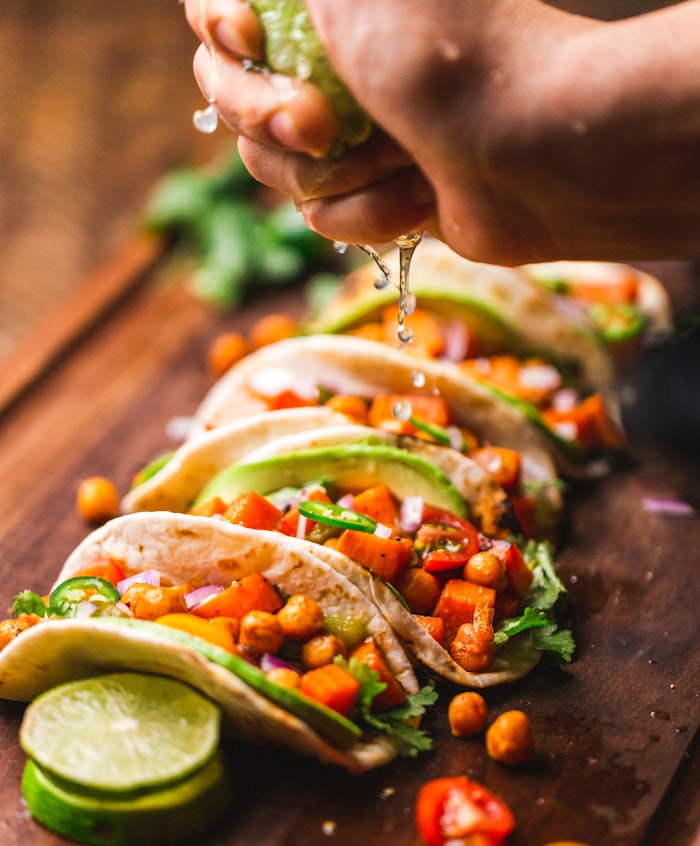
Customizing burrito ingredients and toppings
3

Fresh Preparation

Once an order is received, the kitchen begins preparation β€” typically triggered by the delivery platform's estimated arrival time to ensure the burrito is made as close to delivery as possible, maximizing freshness.

A quality burrito kitchen follows a specific sequence: the tortilla is warmed on a flat-top grill or steam press until pliable, proteins are portioned from their holding vessels (carnitas from the copper pot, grilled chicken from the char-broiler), and wet ingredients are added with careful attention to placement to prevent sogginess.

The wrap is one of the most skill-intensive steps β€” a properly wrapped burrito requires the tortilla to be folded tightly around the filling without tearing, creating a sealed cylinder that can withstand handling during delivery without unraveling or leaking.
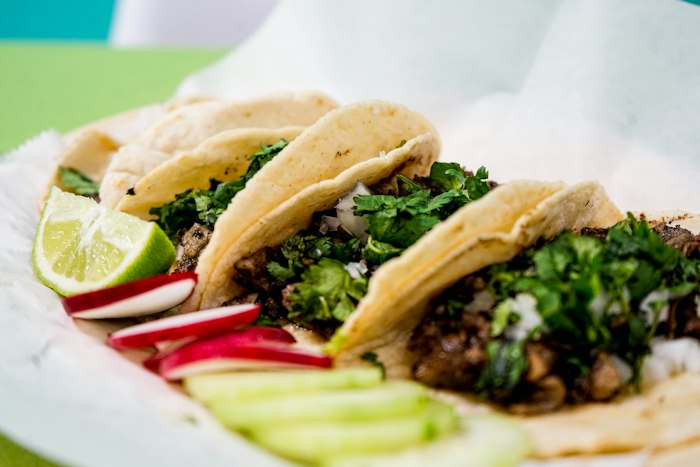
Fresh burrito preparation in kitchen
4

Packaging for Transit

Packaging is where burrito delivery truly distinguishes itself from most other cuisines. The standard process involves wrapping the burrito tightly in aluminum foil β€” which simultaneously insulates heat, maintains shape, and creates a hygienic barrier for handling.

The foil-wrapped burrito is then placed in a paper bag or box, which is usually placed in an insulated delivery bag by the driver. This three-layer system (foil β†’ paper β†’ insulated bag) is remarkably effective at maintaining temperature for 20–35 minutes β€” more than sufficient for most urban delivery windows.

Specialty items like birria come with separate consommΓ© containers sealed with lids. Wet/smothered burritos are packaged in sealed containers to keep the sauce contained. Sides (chips, guacamole, salsas) are bagged separately to maintain individual integrity.
Food delivery packaging and insulated bags
5

Transit & Delivery

The delivery driver picks up the sealed order and transports it to your address. Modern delivery platforms provide real-time tracking so you can monitor the progress and time your experience accordingly β€” having your table set, your drink poured, and your plate ready when the burrito arrives.

During transit, the insulated bag maintains temperature while the foil wrap prevents structural collapse. The burrito should arrive warm, intact, and ready to eat. If you anticipate a longer wait (due to distance or high-demand periods), consider ordering proteins that hold up best in transit β€” carnitas, barbacoa, and grilled chicken are particularly resilient.

Houston's extensive urban geography means delivery times can vary considerably based on your location relative to restaurant hubs. Downtown (near 800 Capitol St) generally sees the fastest delivery windows, while outlying neighborhoods may experience longer transit times.

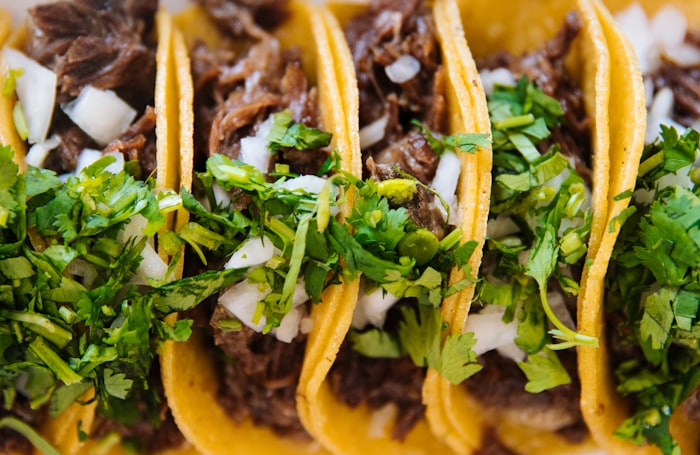
Delivery driver carrying food orders
Unwrapping and enjoying delivered burrito
6

Arrival & Enjoyment

Your burrito arrives. The foil unwraps to reveal a tightly wrapped, steaming cylinder of flavor. The final stage β€” from unwrapping to first bite β€” is where the entire delivery chain's quality is validated.

For the optimal delivery burrito experience: unwrap slowly to let any residual steam escape (this prevents the tortilla from becoming too moist), plate on a warm dish if you have one available, and add any reserved cold toppings (extra salsa, fresh lime) at this stage. For birria, warm the consommΓ© briefly and prepare a small dipping vessel.

The beauty of the delivery burrito is its accessibility β€” it requires no special equipment, no plating skill, and virtually no preparation on your part. The kitchen has done the work; you simply enjoy the result of their craft delivered directly to your space.

What to Expect From Burrito Delivery

🌑️

Temperature on Arrival

A well-packaged burrito should arrive warm β€” not piping hot, but comfortably warm throughout. If the transit time was reasonable (under 30 minutes), the foil insulation typically maintains 140–160Β°F internal temperature, which is ideal for eating. Longer transits may require 30 seconds in a microwave.

πŸ—οΈ

Structural Integrity

A properly wrapped burrito arrives intact. Some minor compression from transport is normal and doesn't affect quality. If a burrito arrives unwrapped or leaking significantly, this indicates a packaging issue β€” not a quality problem with the food itself. Most delivery platforms allow feedback on packaging quality.

πŸ’§

Moisture Balance

Some steam accumulation inside the foil is normal and actually beneficial β€” it keeps the tortilla pliable. However, if excessive moisture builds up (usually from overly wet salsas inside the wrap), the tortilla can become soft. Most quality delivery restaurants account for this by keeping wet ingredients balanced or portioning them separately.

πŸ“¦

Packaging Contents

A complete delivery order typically includes: the foil-wrapped burrito, any sides in separate containers, napkins, and eating utensils if requested. Hot sauce packets are common inclusions. Chips are usually in sealed bags to maintain crunch. Always check the full contents before the delivery driver leaves.

⏱️

Timing Expectations

Burrito delivery times in the Houston area typically range from 20 to 50 minutes depending on distance, restaurant proximity, and demand. Peak lunch (11:30am–1pm) and dinner (5:30–8pm) windows can extend wait times. Ordering 15–20 minutes before you're ready to eat is generally ideal timing.

πŸ”„

Reheating if Needed

If your burrito arrives cooler than expected, or if you want to reheat later: keep it foil-wrapped and place in a 350Β°F oven for 10–12 minutes, or unwrap and microwave for 60–90 seconds (place a damp paper towel over it to prevent drying). Avoid reheating burritos with fresh cold toppings β€” add those after warming.

Delivery FAQ

Which burrito varieties travel best for delivery?+

Carnitas, barbacoa, grilled chicken, and black bean burritos consistently travel the best. Their filling compositions are dense enough to maintain structural integrity and retain heat effectively. Wet/smothered burritos and highly sauced varieties are best enjoyed when the restaurant is nearby to minimize transit time. Birria burritos require proper separate packaging for the consommΓ© but travel well when packaged correctly.

How do I keep my burrito warm if I'm not ready to eat immediately?+

Keep the burrito in its foil wrap and place it in a warm (200Β°F) oven or a turned-off microwave (which acts as an insulating box). Avoid unwrapping until you're ready to eat β€” the foil is the primary heat-retention mechanism. A kitchen towel wrapped around the foiled burrito also works well for short periods (10–15 minutes). For longer waits, a preheated oven at low temperature is the best option.

What should I do if my order arrives incorrect or damaged?+

Document the issue with photos if possible, then contact the delivery platform's support function directly through the app or website. Most platforms have straightforward processes for reporting incorrect orders, damaged packaging, or missing items β€” and typically offer credit, refunds, or redelivery as resolution options. Report issues promptly, as most platforms have time windows for submitting claims.

Is delivery burrito quality comparable to dining in?+

For most burrito varieties, delivery quality is remarkably close to in-restaurant quality β€” often within 85–95% of the fresh experience. The burrito format's inherent properties (sealed wrap, self-contained filling) make it one of the foods least affected by the delivery process. The main variables are temperature (slight cooling is expected) and tortilla texture (slight softening from steam). Fresh cold toppings like crisp lettuce or chips are best ordered separately to preserve their texture.

What customizations work best for delivery?+

For delivery-optimized customization: request extra protein and beans (they hold heat well), include guacamole inside the wrap (it stays creamy and prevents dryness), ask for salsas on the side (prevents sogginess), and avoid requesting crispy toppings inside the wrap (tortilla chips, fried onions). If you love fresh toppings, request them in separate containers and add them after unwrapping. This approach consistently produces the best delivery experience.